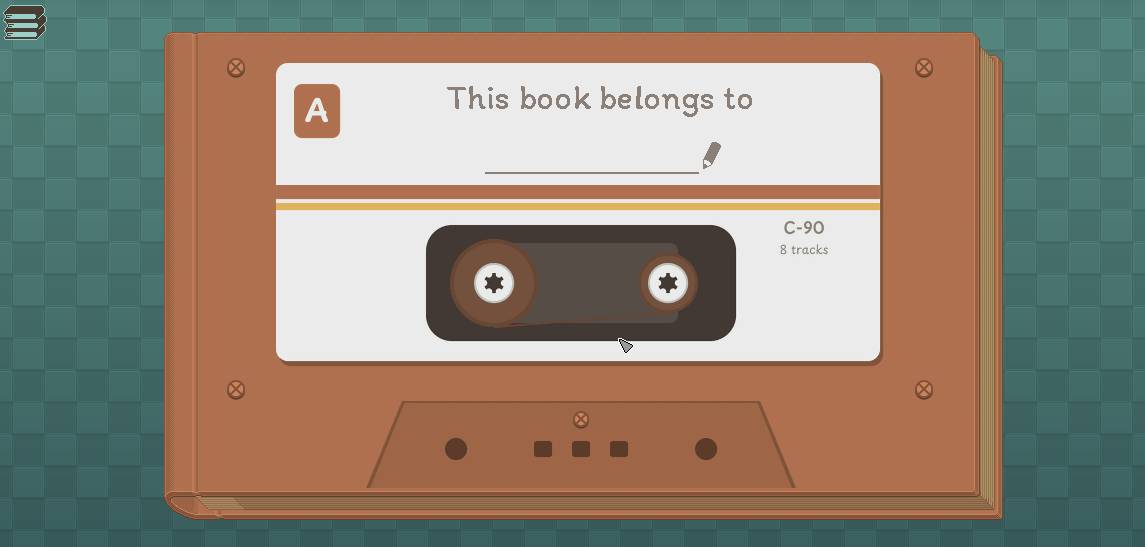
Unbox The Room is a quiet unpacking game where you place boxed items in new homes and piece together one woman's life, from 1997 to 2018, without a word of dialogue.
Placing Every Item, Step by Step
Controls take about ten seconds to learn. Click a box to pick up an item, move the cursor to a spot that makes sense, then click again to set it down. Books go on shelves, kitchenware near the stove, clothes in drawers or the wardrobe. Press the completion check and anything misplaced glows red, so you know exactly what to move. Finish a room and the next home opens, set a few years later in her life.
What Makes Each Room Feel Real
- Sound design: ceramic clinks, book thuds, and fabric rustles, each tied to its object
- Small decorations that make every room look genuinely lived in
- A story told only through possessions, from hobbies to careers to relationships
- No timers, scores, or meters, so nothing rushes you
Why Unbox the Room Works So Well
| Strength | Why It Works |
|---|
| Environmental storytelling | You build her story from objects alone |
| Missing items | Things that vanish between moves become quiet clues |
| Tactile audio | Every placement feels physical and satisfying |
| Clear progression | Each finished room opens a new home and a new stage of life |
Smarter Ways to Arrange Each Room
- Open every box before placing anything. Seeing what you own tells you how many shelves, drawers, and surfaces you will need.
- Start with large pieces, then fill the gaps with small ones. Posters and trinkets are easier to fit last.
- Group items by use: cups beside plates, paperbacks on one shelf, shoes near the door.
- Run the completion check early and often. A red glow is information, not punishment.
- Study each object. A guitar, a textbook, or a framed photo shows where it belongs and who she was at that point.
- Compare each room with the one before it. What failed to survive the move is often where the story sits.
- Wear headphones. The audio is half the charm.
Is This Game Worth Your Evening?
Unbox the Room asks for patience and attention, and it pays you back with a story you assemble yourself. If you enjoy learning about a person from the things they keep and lose, give it an evening.